
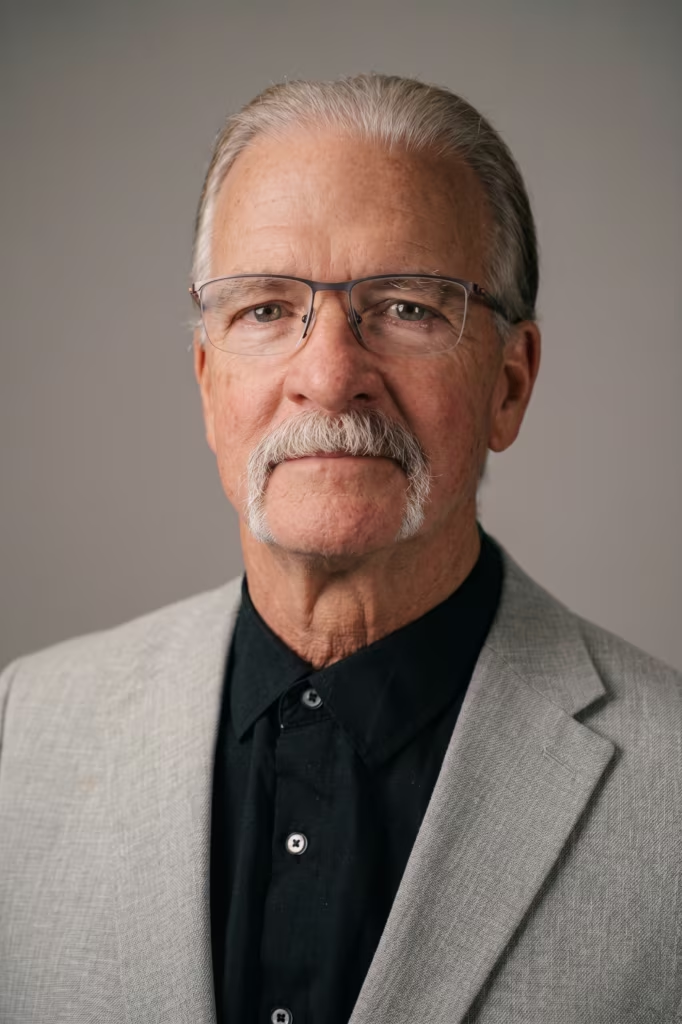
Authored by Rob Munn B. Sc., Licensed Mortgage Broker | Operating under FSRA Brokerage License #10295 and Serving Ontario Homeowners Since 1985.
Will the Bank Own My Home If I Take Out a Reverse Mortgage in Ontario?
No, the bank will not own your home if you take out a reverse mortgage. When you secure a reverse mortgage in Ontario, you retain 100% ownership and remain the sole titleholder of your property. The financial institution does not take control of your home; instead, it registers a first charge (a lien) against your property’s equity, exactly like a conventional forward mortgage or a Home Equity Line of Credit (HELOC).
As long as you fulfill basic property obligations—such as paying your municipal property taxes, maintaining home insurance, and keeping the home in good repair—you can live in your residence for the rest of your life without ever being forced to move or sell. The loan, along with its accumulated interest, is only repaid when the last surviving homeowner sells the property, moves out permanently, or passes away
The Legal Reality: Title Ownership vs. Security Liens
The misconception that a reverse mortgage equals “giving your house to the bank” stems from a misunderstanding of Canadian real estate law. In Ontario, property ownership is governed by the Land Titles Act. When you sign a reverse mortgage contract with a federally regulated lender—such as HomeEquity Bank (providers of the CHIP Reverse Mortgage) or Equitable Bank—your name remains fully on the deed.
The bank’s role is strictly that of a lender, not an owner. They hold a financial interest in the value of the home, which ensures they are paid back when a repayment trigger occurs. You keep the right to renovate, the right to invite anyone to live with you, and critically, the right to any future appreciation in the home’s market value.
How an Ontario Reverse Mortgage Works: Step-by-Step
To understand why the bank doesn’t take ownership, it helps to look at the mechanical timeline of a reverse mortgage under Ontario guidelines:
- The Appraisal: A licensed appraiser evaluates your property. Lenders generally require a minimum home value of $250,000.
- Equity Calculation: Based on your age (minimum 55 for all titleholders), the home’s location, and its appraised value, the lender determines your maximum borrowing limit. Under rules from the Financial Consumer Agency of Canada (FCAC), you can access up to 55% of your home’s equity. Younger seniors qualify for lower percentages (e.g., 20% to 30%), while older seniors can access the higher end of the scale.
- Clearing Existing Debt: If you have an outstanding traditional mortgage or HELOC, Ontario regulations dictate that the first portion of your reverse mortgage proceeds must be used to pay off those debts completely. This eliminates your old monthly mortgage payments, freeing up your cash flow.
- Independent Legal Advice (ILA): Before any funds are disbursed, you are legally required to meet with an independent real estate lawyer of your choice in Ontario. The lawyer ensures you understand that while you retain ownership, interest will accrue and compound over time, reducing the remaining equity left for your estate.
- No Monthly Payments: Unlike a standard loan, you make zero regular principal or interest payments. The interest is added to your loan balance each month.
Real-World Scenario:
To visualize how ownership and equity interact over time, consider Robert and Linda, both aged 72, who own a detached home in Ontario.
- Initial Home Value: $1,000,000
- Reverse Mortgage Amount Taken: $350,000 (35% Loan-to-Value)
- Purpose: Eliminating a $100,000 existing conventional mortgage and funding in-home care.
Robert and Linda live in their Mississauga home for 10 years. During this decade, they pay no monthly mortgage payments. Interest accumulates on the $350,000 principal at a compounding rate.
At the end of 10 years, they decide to downsize to a condo in Burlington. Let’s see what happens to the ownership structure and the final cash distribution under two different economic conditions:
Scenario A: Moderate Real Estate Growth (3% Annual Appreciation)
- New Home Value after 10 years: $1,343,916
- Accumulated Loan Balance (Principal + Compounded Interest): ~$630,000
- The Outcome: Robert and Linda sell their home. They remain the owners throughout the sale process. At closing, $630,000 goes to the lender to discharge the lien. The remaining $713,916 is paid directly to Robert and Linda in cash. The bank never owned the home, and the couple kept the growth value.
Scenario B: Stagnant or Declining Real Estate Market
- New Home Value after 10 years: $950,000
- Accumulated Loan Balance: ~$630,000
- The Outcome: Even in a flat market, Robert and Linda sell the home themselves as the legal owners. After paying off the bank’s $630,000 lien, they walk away with $320,000 in cash.
Key Protections: The No-Negative-Equity Guarantee
What happens if you live so long, or the real estate market crashes so severely, that your loan balance grows to be higher than the actual value of your home?
In Ontario, reverse mortgages from major financial institutions feature a No-Negative-Equity Guarantee. Under this contractual clause, as long as you have met your basic property obligations, the total amount you or your estate will ever owe the bank is capped at the fair market value of the home at the time of sale. If a $1,000,000 loan balance faces a home that sells for $850,000, the lender absorbs the $150,000 shortfall. The bank cannot come after your other assets, your investments, or your heirs’ personal income.
Direct Comparison: Reverse Mortgage vs. Traditional Mortgage vs. Foreclosure
| Feature | Conventional Ontario Mortgage | Ontario Reverse Mortgage | Bank-Owned (Foreclosure / Power of Sale) |
|---|---|---|---|
| Who is on Title? | The Homeowner | The Homeowner | The Bank (Lender takes title) |
| Monthly Payment Required? | Yes (Principal + Interest) | No payments required | N/A |
| Income/Credit Qualification? | Strict checks required | No income/credit score minimums | N/A |
| Who Gets Leftover Equity? | The Homeowner | The Homeowner / Estate | Typically minimal; eaten by legal fees |
| Trigger for Repayment | End of loan term / Default | Death, moving, or selling | Immediate possession |
How You Could Lose Your Home: Understanding Loan Default
While the bank does not take ownership by default, a reverse mortgage is still a binding financial contract. There are explicit scenarios where a homeowner can breach the contract, allowing the lender to initiate a standard Power of Sale or foreclosure process, just like any regular mortgage.
To keep your ownership secure, you must manage three ongoing obligations:
- Property Tax Default: You must keep your municipal property taxes fully paid. If you fall into arrears, the municipality can place a lien on the home, which jeopardizes the bank’s first-charge position.
- Home Insurance Lapse: You must maintain a valid, active homeowner’s insurance policy that covers fire and structural damage.
- Neglect and Property Devaluation: You are contractually obligated to maintain your home in good structural repair. If a homeowner allows a roof to cave in or ignores severe mold, causing the home’s physical value to plummet, the bank can declare a technical default to protect its collateral

- Legal Disclaimer: The Reverse Mortgage information as provided is for your educational purposes and requires mandatory Independent Legal Advice (ILA) in Ontario before execution.
- FSRA License Disclosures: Genesis Associates Ltd aka Genesis Reverse Mortgages
- Brokerage: FSRA License #10295
- Head Office: 1676 Sir Monty’s Drive, MississaugaOntario L5N 4R4
Reverse Mortgage Estimate:
