
- See Your Clean Title Estimate: Calculate how much equity you can use to wipe out your back taxes by exploring our Ontario Reverse Mortgage Master Guide & Home Equity Calculator.
- Speak Privately with Rob Munn: Call us toll-free today at 1-800-267-6866 to ask your questions or schedule a comfortable, completely confidential consultation for you and your family.
Author / E-E-A-T Disclosure:
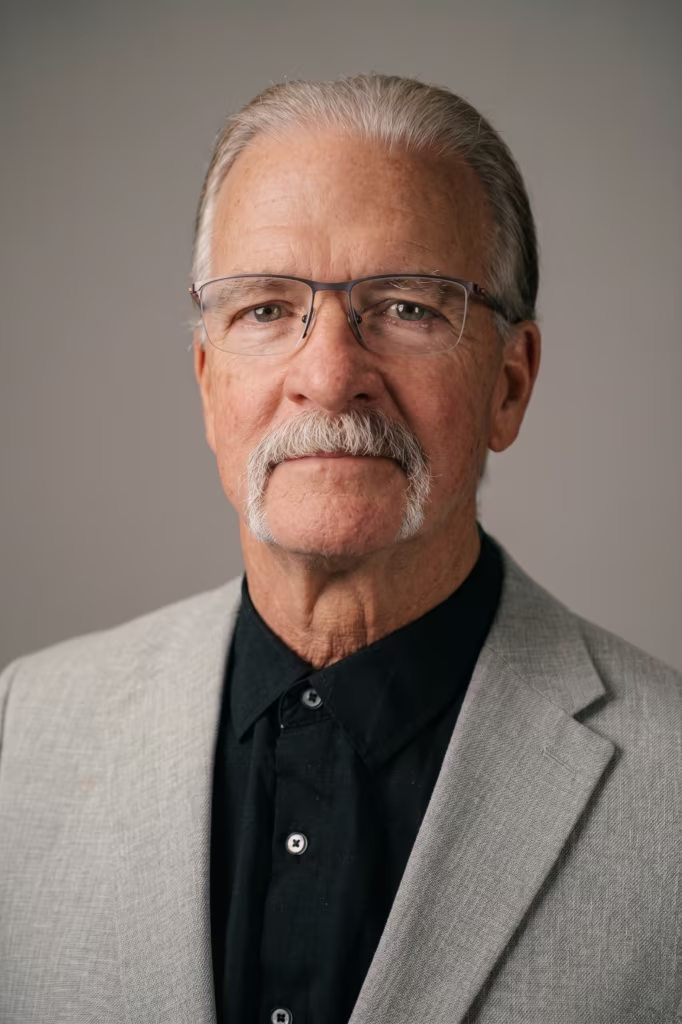
Authored by Rob Munn B. Sc., Licensed Mortgage Broker | Operating under FSRA Brokerage License #10295 and Serving Ontario Homeowners Since 1985.
Resolving Tax Debt with an Ontario Reverse Mortgage
Can I get a reverse mortgage in Ontario if I owe property taxes or CRA back taxes?
The answer is a definitive yes. In fact, clearing government debt is one of the most common reasons seniors use home equity. While having outstanding tax debt will add extra verification steps to your application, a reverse mortgage can serve as a direct tool to wipe out those liabilities and restore your financial stability.
Ontario senior homeowners can successfully secure a reverse mortgage even if they have outstanding municipal property tax arrears or Canada Revenue Agency (CRA) tax debt. While Canadian reverse mortgage lenders like HomeEquity Bank and Equitable Bank require a clean, unencumbered title at closing, they allow you to use your approved loan proceeds to pay off your tax debts directly on the day the mortgage funds. The outstanding taxes are paid out by the real estate lawyer during the closing process, removing all government liens and giving you a debt-free start without requiring out-of-pocket cash.

The Lender’s Requirement for First-Priority Title
When a Canadian reverse mortgage is registered against your property, the lender must hold the “first-charge” position on your land title. This means no other financial liabilities or government claims can sit ahead of them.
Both municipal tax departments and the federal government possess powerful legal tools. If you default on property taxes, your local Ontario municipality has the right to eventually seize and sell your home to recover their funds. Similarly, if you owe personal income taxes, the CRA can register a Certificate of Debt in Federal Court, which acts as a binding lien against your real estate.
Because these government debts take legal priority over a mortgage, they must be completely cleared. During the underwriting process, your mortgage broker will request an up-to-date Property Tax Statementfrom your city or township, alongside a current CRA Notice of Assessment (NOA) or Statement of Account. This verification process determines the exact, certified dollar amount required to wipe out your debt.
To model how much equity you have available to cover these outstanding liabilities, you can test your home’s current value using our Ontario Reverse Mortgage Master Guide & Home Equity Calculator.
Using Loan Proceeds to Clear Government Debt at Closing
Seamless Financial Restructuring
You do not need to come up with cash out of pocket to pay off your back taxes before applying for a reverse mortgage. The entire debt payoff is handled seamlessly through your real estate lawyer on the day your mortgage closes.
[Approved Reverse Mortgage Proceeds]
                 │
                 ├──► Direct Payout to Municipality (Clears Property Tax Arrears)
                 ├──► Direct Payout to CRA (Clears Personal Tax Debt / Liens)
                 └──► Remaining Tax-Free Balance Paid Directly to the Homeowner
On closing day, the lender sends the approved loan money to your chosen real estate lawyer. Before any funds are given to you, your lawyer is legally obligated to cut certified cheques directly to your local Ontario municipality and the CRA to pay off every penny of your tax debt.
Once those payments are officially made, the municipality updates its records, the CRA releases its legal liens, and your home title is completely cleared. Any remaining mortgage money left over is then deposited into your bank account as 100% tax-free cash for you to use however you see fit.
Understanding Your Responsibilities as a Homeowner
While a reverse mortgage completely frees you from making monthly mortgage payments, it does not excuse you from your standard responsibilities as a property owner. To keep your reverse mortgage contract in good standing under Ontario law, you must adhere to three core conditions:
- Keep your municipal property taxes paid on time and up to date.
- Maintain active home insurance that protects the property against fire and structural damage.
- Keep the home in good physical repair.
How Lenders Monitor Property Tax Compliance
To make sure you are staying on top of your taxes, Canadian reverse mortgage providers run annual compliance checks with municipal tax offices across Ontario. If they discover that you have fallen behind again after your mortgage has closed, they will step in to protect their investment.
If a homeowner fails to pay their property taxes, the lender may set up a tax escrow account. This means the lender will advance a portion of your remaining, unused equity to pay the municipality on your behalf. This amount is added directly to your overall reverse mortgage loan balance, where it will begin to accumulate interest.
To avoid this situation, some seniors choose to structure their reverse mortgage with a planned, automated annual drawdown. This feature automatically sends a portion of their home equity directly to their municipal tax office every year, ensuring they never fall into arrears again.
Ontario Regulatory Compliance and the Crucial ILA Process
Arranging a reverse mortgage to settle heavy tax debts requires absolute transparency. In Ontario, all licensed mortgage professionals are strictly governed by the Financial Services Regulatory Authority of Ontario (FSRA). Under FSRA mandates, your broker must clearly illustrate how much of your equity will be consumed by your tax debts and outline the exact interest rate structure of your loan before you sign any paperwork.
The Protections of Independent Legal Advice (ILA)
Because outstanding tax debts can result in severe legal consequences, lenders make it a mandatory requirement that you receive Independent Legal Advice (ILA) from a qualified Ontario real estate lawyer.
During your private ILA meeting, your lawyer will walk you through the payout figures to the penny. They will ensure you understand exactly how much debt is being cleared and verify that the reverse mortgage contract includes a Negative Equity Guarantee. This guarantee protects your estate by ensuring you will never owe more than the fair market value of your home when it is eventually sold, regardless of how much interest accumulates over time.
About the Author: Rob Munn B.Sc.
Resolving complex tax debts and protecting your home title requires experienced financial guidance. I am Rob Munn B.Sc., a Licensed Mortgage Broker (FSRA License #10295), and I have dedicated my career to helping Ontario senior homeowners safely navigate home equity solutions since 1985.
For over 40 years, I have worked alongside seniors and their adult children across Ontario to resolve property tax arrears, settle complex CRA disputes, and clear private debts. My absolute priority is providing clear, non-judgmental, and highly effective strategies that protect your home and preserve your peace of mind.
Wipe Out Your Tax Debt with Total Peace of Mind
You do not have to live under the constant stress of collection letters, growing penalties, or the threat of a government tax sale.

- Legal Disclaimer: The Reverse Mortgage information as provided is for your educational purposes and requires mandatory Independent Legal Advice (ILA) in Ontario before execution.
- FSRA License Disclosures: Genesis Associates Ltd aka Genesis Reverse Mortgages
- Brokerage: FSRA License #10295
- Head Office: 1676 Sir Monty’s Drive, MississaugaOntario L5N 4R4
Reverse Mortgage Estimate:
