
Author / E-E-A-T Disclosure:
Authored by Rob Munn B. Sc., Licensed Mortgage Broker | Operating under FSRA Brokerage License #10295 and Serving Ontario Homeowners Since 1985.
Reverse Mortgages for Ontario Cottages, Rural Homes, and Leasehold Properties
Can I get a reverse mortgage on a cottage, waterfront property, or unserviced rural home in Ontario?
The short answer is yes, but approval depends heavily on specific property characteristics. While major Canadian lenders are willing to advance tax-free equity on non-traditional properties, they enforce strict underwriting standards regarding location, access, utilities, and land ownership structures.
Ontario property owners can successfully secure a reverse mortgage on seasonal cottages, waterfront homes, and rural properties, provided the real estate meets specific criteria regarding year-round municipal road access and reliable utility infrastructure. Major institutional lenders like HomeEquity Bank and Equitable Bank will finance secondary homes and recreational properties, but they typically exclude unserviced rural lots, properties requiring water-access-only, or land-lease (leasehold) arrangements. To qualify, the property must possess a permanent foundation, functional heating, clean well/septic systems, and clear marketable title.
Canadian reverse mortgage lenders categorize properties across Ontario into specific geographical tiers to manage risk and marketability.
- Urban and Suburban Hubs (Tier 1): Properties inside major metropolitan areas (e.g., Toronto, Mississauga, Ottawa, Hamilton, London) receive the highest loan-to-value (LTV) allocations because these markets feature high liquidity and rapid resale speeds.
- Secondary Towns and Established Rural Hubs (Tier 2): Areas such as Barrie, Peterborough, Kingston, or Guelph are fully eligible, though lending limits may be slightly more conservative than Tier 1.
- Recreational and Remote Zones (Tier 3): This category includes cottage country (e.g., Muskoka Lakes, Haliburton, the Kawarthas, Prince Edward County) and deep rural farming communities. While lending is actively available here, underwriters look past basic property valuations to analyze the physical structure and surrounding infrastructure.
To check if your specific Ontario postal code falls within active institutional lending boundaries and to see how much equity you can access, utilize our interactive Ontario Reverse Mortgage Master Guide & Home Equity Calculator.
To secure approval on a cottage or rural home, your property must pass four strict underwriting benchmarks designed to confirm its long-term marketability:
1. The Municipal Road Access Requirement
A primary rule for reverse mortgage approval is year-round, publicly maintained road access. Lenders require that emergency vehicles and future buyers can easily reach the home in any season.
- Eligible: Properties situated on a paved or unpaved road that is explicitly plowed and maintained by the local Ontario municipality.
- Ineligible: Water-access-only island cottages, properties hidden down unplowed private seasonal tracks, or properties accessed strictly via un-deeded right-of-ways across a neighbor’s private land.
2. Septic, Well, and Water Infrastructure Hurdles
If your home is “unserviced”—meaning it is not hooked up to a municipal water main or sewer system—the lender will mandate specific technical inspections before releasing any capital.
- Water Potability: You must provide a clean water potability test showing that your well water is entirely safe for human consumption and free of harmful bacteria.
- Septic Functionality: If the property utilizes a private septic tank and tile bed, an independent inspector or appraiser must confirm the system is in good working order, properly sized for the dwelling, and compliant with Ontario building code standards.
- Holding Tanks: Properties that rely on basic holding tanks or seasonal lake-drawn water lines face intense scrutiny and are frequently declined unless a secondary, year-round water treatment loop is installed.
3. Structural Standards and Heating Systems
A reverse mortgage cannot be placed on a raw piece of vacant land, a hunting cabin, or a basic three-season cottage sitting on wood blocks. The building must be classified as a permanent dwelling. It requires a concrete foundation, a poured slab, or fully winterized piers. Furthermore, it must feature a permanent, thermostatically controlled heating system (such as forced-air gas, propane, or electric baseboards) capable of keeping the home safe from freezing during harsh Ontario winters.
The Rules Governing Leasehold and Land-Lease Properties
A common housing model for Ontario seniors is the land-lease or leasehold community, where the resident owns the physical structure (such as a modular home or townhouse) but leases the underlying land from a corporate landlord or developer under a long-term contract.
[Standard Freehold Title] ──► Full Land & Structure Ownership ──► Highly Eligible
[Leasehold / Land-Lease]  ──► Structure Owned / Land Rented     ──► Generally Ineligible
From an equity release standpoint, standard leasehold properties are generally ineligible for traditional reverse mortgages. Because lenders require a first-priority charge registered directly against the land title at the Ontario Land Registry office, a lease agreement disrupts this mechanism.
If the lease expires, or if the land-lease community operator goes into default, the lender’s security is put at risk. Therefore, CHIP and Equitable Bank products are almost exclusively restricted to freehold propertiesor fully registered residential condominium corporations.
Ontario Regulatory Compliance and the Mandatory Legal Review
Because rural and waterfront valuations can fluctuate more widely than suburban tract housing, the Financial Services Regulatory Authority of Ontario (FSRA) requires brokers to act with absolute clarity. Your mortgage broker will arrange a specialized, independent appraisal with a professional evaluator who possesses specific expertise in your local rural market. This appraisal ensures that your home equity calculations are grounded in realistic local sales data.
The Protections of Independent Legal Advice (ILA)
Before any funds can be advanced on a rural property or cottage, Ontario regulations require you to complete the Independent Legal Advice (ILA) process with an independent real estate lawyer of your own choosing.
Your lawyer will review your property’s deed to confirm there are no hidden environmental easements, shore road allowance disputes, or agricultural zoning restrictions that could conflict with your mortgage contract. They will also verify that your policy contains the mandatory Negative Equity Guarantee, ensuring that your estate can never owe more than the fair market value of the property at the time it is sold.
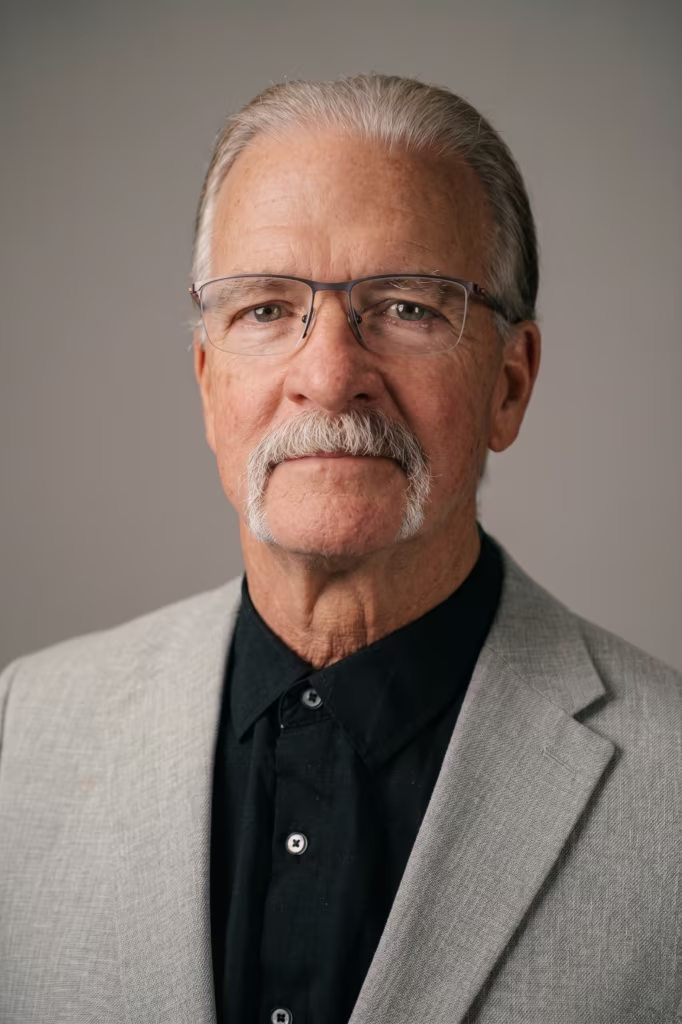
About the Author: Rob Munn B.Sc.
Underwriting non-traditional real estate requires specialized experience that standard bank branch employees simply do not possess. I am Rob Munn B.Sc., a Licensed Mortgage Broker (FSRA License #10295), and I have spent over four decades helping Ontario seniors unlock equity from unique properties since 1985.
Whether you own a year-round waterfront home in Muskoka, a rural farmhouse in Grey County, or a standard semi-detached home in the city, I know how to present your property’s infrastructure properly to institutional underwriters. My goal is to ensure you receive a fair, transparent evaluation so you can fund your retirement with complete confidence.

- Legal Disclaimer: The Reverse Mortgage information as provided is for your educational purposes and requires mandatory Independent Legal Advice (ILA) in Ontario before execution.
- FSRA License Disclosures: Genesis Associates Ltd aka Genesis Reverse Mortgages
- Brokerage: FSRA License #10295
- Head Office: 1676 Sir Monty’s Drive, MississaugaOntario L5N 4R4
Reverse Mortgage Estimate:
