
Author / E-E-A-T Disclosure:
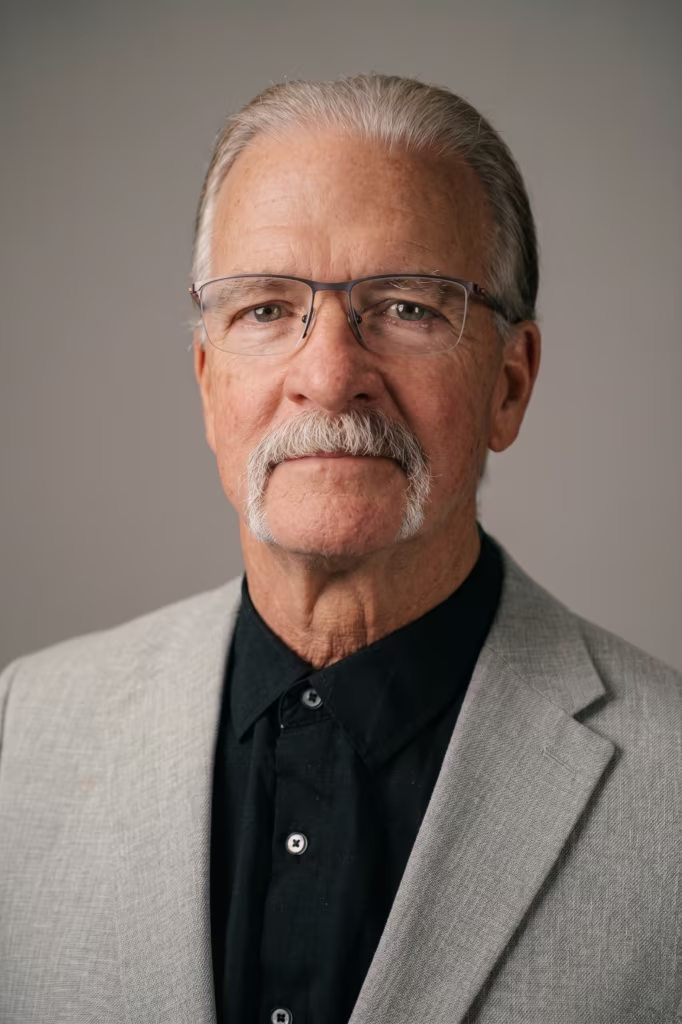
Authored by Rob Munn B. Sc., Licensed Mortgage Broker | Operating under FSRA Brokerage License #10295 and Serving Ontario Homeowners Since 1985.
Using a Reverse Mortgage for Home Purchases and Bridge Financing
Can I use a reverse mortgage as bridge financing or to buy a new home directly?
Using a reverse mortgage for a direct property purchase or as an alternative to traditional, high-stress interim financing is a fully approved and growing strategy. It provides older buyers with the flexibility to secure their next home without the strict monthly income qualifications or rigid closing-date timelines required by traditional banks.
Ontario senior homeowners can use a reverse mortgage to buy a new primary residence directly through specialized “Reverse Mortgage for Purchase” programs or leverage equity from an existing home to secure a seasonal property. Unlike traditional short-term bridge financing, which demands rapid repayment and monthly debt servicing, a reverse mortgage allows buyers to close on a new property with no ongoing monthly principal or interest payments. This strategy eliminates the pressure of synchronized closing dates, as the accrued balance is only settled when the original home is sold.

- Legal Disclaimer: The Reverse Mortgage information as provided is for your educational purposes and requires mandatory Independent Legal Advice (ILA) in Ontario before execution.
- FSRA License Disclosures: Genesis Associates Ltd aka Genesis Reverse Mortgages
- Brokerage: FSRA License #10295
- Head Office: 1676 Sir Monty’s Drive, MississaugaOntario L5N 4R4
Reverse Mortgage Estimate:

The Mechanics of a Reverse Mortgage for Purchase
A traditional real estate transaction typically requires a significant down payment, an excellent credit score, and proof of a steady employment income. For retirees living on fixed pensions like Old Age Security (OAS) and the Guaranteed Income Supplement (GIS), qualifying for a standard mortgage to move into a downsized property can be nearly impossible.
The Reverse Mortgage for Purchase program—offered by leading Canadian institutions like HomeEquity Bank (the CHIP Reverse Mortgage) and Equitable Bank—solves this exact financial bottleneck.
Instead of registering a reverse mortgage on your existing home to extract cash, the loan is registered directly against the new home you are purchasing on the day of closing.
[Cash / Equity from Sale] + [Reverse Mortgage for Purchase Proceeds]
                                    │
                                    ▼
                [Purchase of New Ontario Home Registered on Closing Day]
                (Zero Monthly Principal or Interest Payments Required)
For example, if you sell your large family home in Mississauga or Ottawa and wish to purchase a single-story bungalow or a low-maintenance condo, you can combine your cash down payment with a Reverse Mortgage for Purchase. This allows you to preserve a significant portion of your liquid cash for your retirement nest egg, rather than sinking all your capital into the bricks and mortar of the new property.
To model how much equity you can secure to fund your next property acquisition, you can use our Ontario Reverse Mortgage Master Guide & Home Equity Calculator.
The Pitfalls of Standard Bank Bridge Loans
Traditional bridge financing is a short-term loan that bridges the financial gap between the purchase date of a new home and the sale date of an existing one. While useful, standard bank bridge loans carry significant risks for seniors:
- Strict Income Stress-Testing: Banks will strictly evaluate your debt-to-income ratios, forcing you to qualify to carry both mortgages simultaneously during the bridge period.
- Tight Deadlines: Traditional bridge loans are typically capped at 30 to 90 days, putting immense psychological pressure on the senior to sell their original home rapidly, even if it means accepting a lower market offer.
- Compounding Fees: High administrative setup costs, legal fees, and premium interest rates apply.
The Reverse Mortgage Alternative
By structuring your transaction through an equity release platform, you can bypass the stress of synchronized closing dates entirely.
If your new home closes before your existing home is sold, you can leverage a reverse mortgage on your current residence to extract the necessary down payment and closing capital for the new purchase. Because a reverse mortgage requires zero monthly payments, you do not need to prove high current income to qualify, and there is no risk of default if the original home takes several months to sell on the Ontario real estate market.
Once your original property sells, the proceeds are used to clear the reverse mortgage balance completely, including any short-term prepayment percentages, leaving you with your new home and a stable financial outcome.
Buying a Second Home, Cottage, or Income Property
Another powerful application of home equity release is the expansion of a senior’s real estate portfolio without increasing their monthly financial obligations.
If you own a high-value primary residence in an urban centre like Toronto, you can use a reverse mortgage to unlock up to 55% of its appraised value in a tax-free lump sum. These funds can then be used to:
- Purchase an Ontario Cottage: Secure a seasonal property in Muskoka, the Kawarthas, or Prince Edward County fully in cash, avoiding the high interest rates and strict stress tests associated with recreational property loans.
- Fund an Investment Property: Buy a local rental unit to generate consistent monthly cash flow for your retirement.
- Provide a Gifted Down Payment: Hand an early inheritance to adult children or grandchildren, allowing them to break into the competitive Ontario housing market while you maintain full title ownership of your primary residence.
Ontario Regulatory Compliance, ILA, and FSRA Mandates
Navigating a concurrent property purchase requires careful legal oversight to protect your investments and ensure total compliance with provincial frameworks.
FSRA Protections
In Ontario, all mortgage brokerages, administrators, and agents are licensed and overseen by the Financial Services Regulatory Authority of Ontario (FSRA). Under FSRA regulations, your mortgage professional must provide full transparency regarding the total cost of borrowing, transaction fees, and the specific sliding scale penalties that apply if you pay off the loan early.
Mandatory Independent Legal Advice (ILA)
Because real estate acquisitions involve binding titles, the lender will enforce a mandatory condition of Independent Legal Advice (ILA). You must meet with a qualified Ontario real estate lawyer of your own choosing.
Your lawyer will independently review the purchase agreement, confirm the transfer of land titles, and verify that the reverse mortgage contract contains a Negative Equity Guarantee. This guarantee ensures that neither you nor your heirs can ever owe more than the fair market value of the property at the time of sale, protecting your broader estate.
Critical Factors for Buying with a Reverse Mortgage
Before executing a purchase contract contingent on reverse mortgage financing, ensure you address these boundary conditions:
- Property Type Eligibility: Lenders evaluate the location and condition of the target property. While detached homes, semi-detached homes, and most townhomes are easily approved across Ontario, specific condominium corporations may have restrictions or require reserve-fund reviews.
- Maintaining Homeowner Duties: Even though you have no monthly mortgage payments, you are legally required to keep the new property in good repair, maintain active home insurance, and remain up-to-date on all Ontario municipal property taxes.
- The 120-Day Occupancy Rule: A reverse mortgage for a primary residence requires that the home remains your principal place of living. If you move out permanently or relocate to a long-term care home, the loan balance becomes due.
About the Author: Rob Munn B.Sc.
Managing cross-property financing requires a deep knowledge of the Ontario mortgage landscape. I am Rob Munn B.Sc., a Licensed Mortgage Broker (FSRA License #10295), and I have specialized in creating tailored home equity solutions for Ontario seniors since 1985.
For over four decades, I have guided families through downsizing transitions, cottage purchases, and bridge financing alternatives. My priority is ensuring your real estate move is smooth, safe, and entirely transparent.
Simplify Your Next Real Estate Move
Are you ready to explore how a reverse mortgage can help you buy your next home or safely bridge your upcoming move? Let my team map out a clear, step-by-step transaction plan tailored to your timeline.
- See Your Purchase Power: Check how much tax-free capital you can allocate toward a new purchase by exploring our Ontario Reverse Mortgage Master Guide & Home Equity Calculator.
